
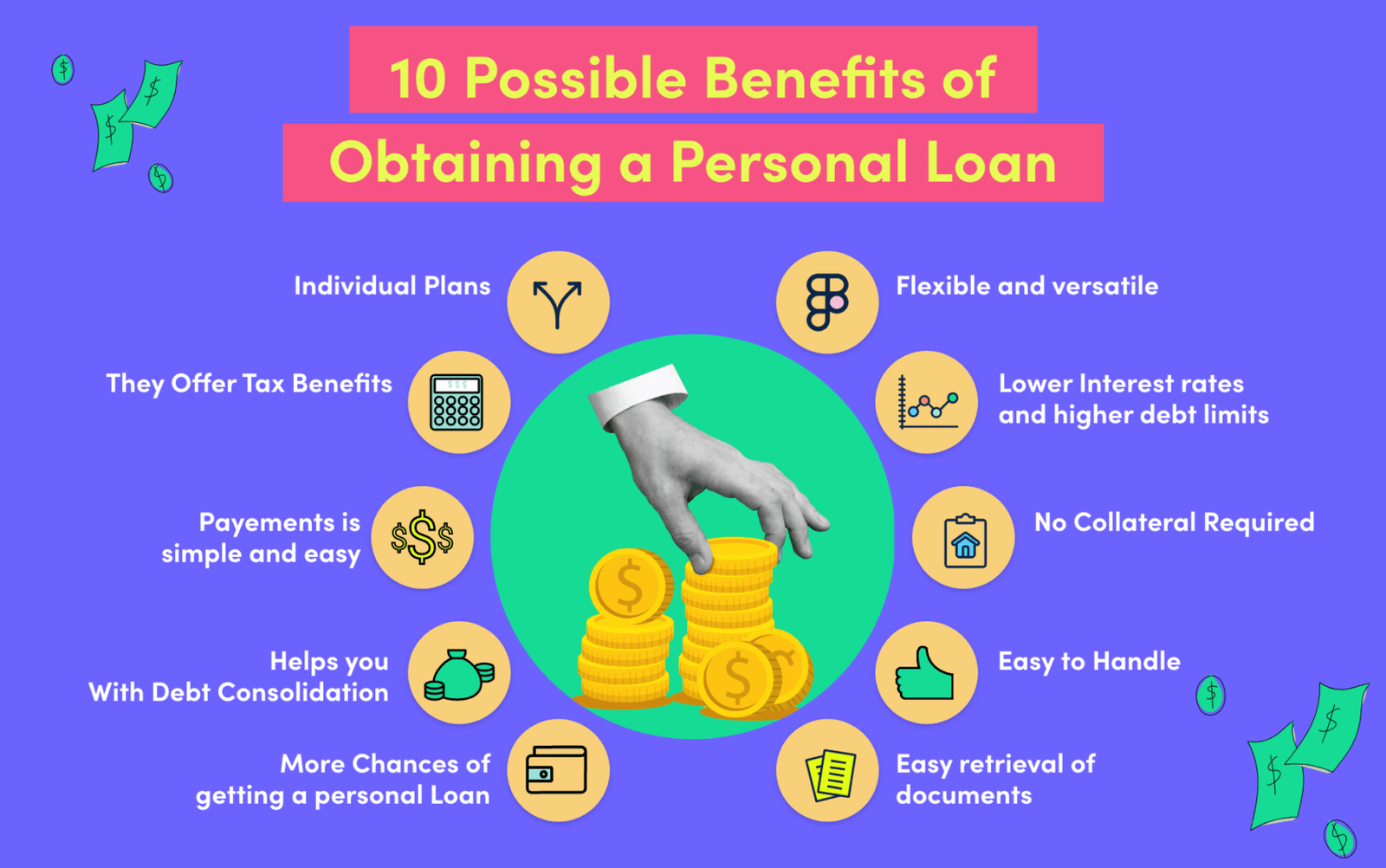
Many people think taking out a personal loan is a sign of financial trouble or a quick way to end up in a debt spiral. They’re wrong. If you use them right, a personal loan is just a tool to consolidate debt or cover a necessary expense without getting crushed by high credit card interest rates.
The 2026 lending market is highly specialized. You can find everything from small, fast loans for minor repairs to five-figure sums for major life changes. Depending on your credit and how much risk a lender wants to take, you can find rates as low as 6.49% APR.
| Lender Category | Typical Use Case | Best For… |
|---|---|---|
| Traditional Banks | Large, long-term debt | Existing customers with high credit |
| Online Lenders | Fast funding, quick approval | Speed and convenience |
| Credit Unions | Lower interest rates | Members with established history |
Don’t just follow flashy ads. You have to look at the actual math of your monthly payment. If you’re looking at a $25,000 loan to consolidate debt, a 2% difference in APR can save you thousands over the life of the loan. It’s about the math, not the marketing.
Lending is very segmented now. A lender might offer a great rate but tack on an origination fee that eats your savings before you even see the money. Always look at the total cost of borrowing, not just the monthly payment. It’s a common trap that catches even careful planners.
Decoding the Current Interest Rate Environment
Interest rates drive the cost of your loan. In 2026, the market is still sensitive to economic shifts, so rates fluctuate more than they used to. If a rate looks too good to be true, there is likely a catch, maybe a much shorter repayment term or a requirement for a perfect credit score.
According to Forbes Advisor, their team evaluated 33 different lenders to determine which ones actually deliver on their promises regarding cost and ease of use. This kind of scrutiny is necessary because every lender uses a different scoring model. One bank might care mostly about your debt-to-income ratio, while another focuses almost entirely on your FICO score.
Take Sarah, a freelance graphic designer. She needed $12,000 to upgrade her workstation and studio lighting. She originally looked at a credit card with a 22% APR, which would have cost her nearly $400 a month in interest alone over two years. By getting a personal loan at 11% APR, she cut her monthly interest in half. She stayed on budget and finished paying off the equipment six months early.
Don’t confuse the APR with the interest rate. The APR includes the interest rate plus any fees the lender charges for processing. When comparing offers, the APR is the only number that shows you the full picture. Don’t let a “low interest rate” distract you from a massive upfront fee.
Some lenders offer specialized rates for specific groups, like military members or students. Don’t just take the first offer from your bank. You might find a much better deal from a dedicated online lender that specializes in your specific credit profile.
The Reality of Borrowing Limits and Amounts
How much you can borrow depends on your income and how much debt you already have. Most lenders won’t hand over a massive sum without seeing a steady, verifiable income. They want to be sure you can handle the monthly payment without defaulting.
The ceiling for these loans has shifted lately. You can now find options for up to $100,000 if your credit history supports it. Financer.com notes that rates can start at 6.49% APR, though those rates are typically reserved for the highest credit scores. If your credit is only “fair,” expect higher numbers.
Don’t borrow more than you absolutely need just because a lender offers a high limit. Borrowing extra increases your total interest and puts you in a tougher spot if your finances change. It is better to borrow $15,000 for a specific goal than to take out $20,000 and wonder where the extra $5,000 went. Debt is a liability you pay for with your future labor.
Online lenders have changed how fast you can get funds. In some cases, you can get approved and have money in your account within 24 to 48 hours. This is great for emergency home repairs or medical bills. However, speed often costs you. The faster you need the money, the more likely you are to see higher rates or less flexible terms. Jetzloan and similar platforms often facilitate these quick transactions by streamlining the verification process.
When comparing loan amounts, check the terms. A 36-month loan has a higher monthly payment than a 60-month loan, but you’ll pay far less in total interest. You have to balance your monthly cash flow against your long-term goals. It’s a delicate balance that requires a clear view of your budget.
Comparing Lenders and Understanding Approval Criteria
Lenders aren’t all the same. Some are very rigid, while others use alternative data to judge creditworthiness. This matters if you have a thin credit file or are new to the financial system.
To see your options clearly, you might want to use a comparison tool. NerdWallet allows you to compare rates from major lenders like SoFi, Upgrade, and Discover. This saves you from making multiple “hard” inquiries on your credit report. Every time a lender pulls your credit for a formal offer, your score can take a small hit. Using a tool that uses “soft” inquiries helps you shop around without damaging your score.
- Credit Score: The most obvious factor, determining your interest rate tier.
- Debt-to-Income Ratio (DTI): This measures how much of your monthly income goes toward existing debt.
- Employment History: Lenders want to see stability in your income.
- Collateral: Most personal loans are unsecured, meaning you don’t have to put up your house or car as a guarantee.
Unsecured loans are popular because you don’t risk your assets if you can’t pay them back, but that lack of collateral is why interest rates are higher than a mortgage or an auto loan. You’re paying a premium for the flexibility to use the money for almost anything. This is why they’re a strong alternative to credit cards for large expenses.
If a company claims to offer “guaranteed” approval, walk away. No legitimate lender guarantees a loan without reviewing your finances. Anyone saying otherwise is likely a scam or a predatory lender. Real lenders will always require a credit check and income verification before releasing funds.
Strategic Debt Consolidation vs. High-Interest Spending
The most common reason for a personal loan is debt consolidation. This means taking out one large loan to pay off several smaller, high-interest debts like credit cards. Ideally, you replace several high-interest payments with one, lower-interest monthly payment. It simplifies your life and saves money.
However, consolidation only works if you change the behavior that caused the debt. If you use a loan to pay off credit cards but then keep charging new purchases to those cards, you’ll end up with twice the debt. This is a trap that leads to a cycle of borrowing that is hard to break. It requires discipline.
Another way to use a loan is for home improvements. If a $10,000 kitchen renovation increases your home value by $15,000, that loan acted like a high-yield investment. You’re using borrowed money to build equity. This is different from borrowing money for a vacation or a TV, where the value disappears the moment you buy it.
Think about your repayment schedule, too. Most personal loans have fixed monthly payments, which provides more stability than credit cards. This predictability makes budgeting easier. You know exactly when you’ll be debt-free, which is a psychological benefit people often overlook.
Before you sign, run the numbers one last time. Look at the total amount you will pay back over the full term. If the total interest is more than you can afford, look for a different term length or a different lender. It’s better to spend a few extra hours researching now than a few extra years paying off a loan you didn’t need.
Always check if your lender charges a prepayment penalty; being able to pay the loan off early without being charged extra can save you a significant amount of money.
A few things readers ask
What are the different types of personal loan services available?
Common options include unsecured personal loans, secured loans backed by assets, and lines of credit that allow for flexible borrowing.
How do I know if I qualify for a personal loan?
Lenders typically evaluate your credit score, monthly income, and existing debt-to-income ratio to determine eligibility.
What is the difference between a fixed-rate and a variable-rate personal loan?
Fixed-rate loans have constant interest rates throughout the term, while variable-rate loans feature interest rates that can change over time.
Can I use a personal loan for any purpose?
Most personal loans are multipurpose, meaning you can use them for debt consolidation, home improvements, or emergency expenses.
Are there fees associated with personal financing?
Depending on the lender, you may encounter origination fees, application fees, or prepayment penalties for paying the loan off early.